GET CARFEST READY| ORDER YOUR OFFICIAL MERCH NOW | PREORDERS NOW AVAILABLEGET CARFEST READY| ORDER YOUR OFFICIAL MERCH NOW | PREORDERS NOW AVAILABLEGET CARFEST READY| ORDER YOUR OFFICIAL MERCH NOW | PREORDERS NOW AVAILABLEGET CARFEST READY| ORDER YOUR OFFICIAL MERCH NOW | PREORDERS NOW AVAILABLEGET CARFEST READY| ORDER YOUR OFFICIAL MERCH NOW | PREORDERS NOW AVAILABLEGET CARFEST READY| ORDER YOUR OFFICIAL MERCH NOW | PREORDERS NOW AVAILABLEGET CARFEST READY| ORDER YOUR OFFICIAL MERCH NOW | PREORDERS NOW AVAILABLEGET CARFEST READY| ORDER YOUR OFFICIAL MERCH NOW | PREORDERS NOW AVAILABLEGET CARFEST READY| ORDER YOUR OFFICIAL MERCH NOW | PREORDERS NOW AVAILABLEGET CARFEST READY| ORDER YOUR OFFICIAL MERCH NOW | PREORDERS NOW AVAILABLEGET CARFEST READY| ORDER YOUR OFFICIAL MERCH NOW | PREORDERS NOW AVAILABLEGET CARFEST READY| ORDER YOUR OFFICIAL MERCH NOW | PREORDERS NOW AVAILABLEGET CARFEST READY| ORDER YOUR OFFICIAL MERCH NOW | PREORDERS NOW AVAILABLEGET CARFEST READY| ORDER YOUR OFFICIAL MERCH NOW | PREORDERS NOW AVAILABLEGET CARFEST READY| ORDER YOUR OFFICIAL MERCH NOW | PREORDERS NOW AVAILABLEGET CARFEST READY| ORDER YOUR OFFICIAL MERCH NOW | PREORDERS NOW AVAILABLEGET CARFEST READY| ORDER YOUR OFFICIAL MERCH NOW | PREORDERS NOW AVAILABLEGET CARFEST READY| ORDER YOUR OFFICIAL MERCH NOW | PREORDERS NOW AVAILABLEGET CARFEST READY| ORDER YOUR OFFICIAL MERCH NOW | PREORDERS NOW AVAILABLEGET CARFEST READY| ORDER YOUR OFFICIAL MERCH NOW | PREORDERS NOW AVAILABLEGET CARFEST READY| ORDER YOUR OFFICIAL MERCH NOW | PREORDERS NOW AVAILABLEGET CARFEST READY| ORDER YOUR OFFICIAL MERCH NOW | PREORDERS NOW AVAILABLEGET CARFEST READY| ORDER YOUR OFFICIAL MERCH NOW | PREORDERS NOW AVAILABLEGET CARFEST READY| ORDER YOUR OFFICIAL MERCH NOW | PREORDERS NOW AVAILABLE
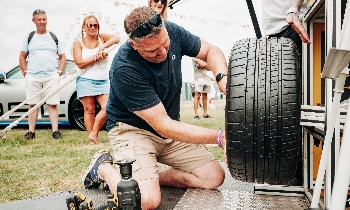

Get ready for an action-packed weekend at The Tread Shed with Michelin and Protyre Autocare.
Dive into the latest topics every car owner needs to know with unmissable expert panel discussions on all things from EV to celebrity Q&A’s.
Hosted by automotive content creator Peter Greaves, better known to his YouTube audience as Petrol Ped, leading industry voices will break down the myths, simplify the technical talk, and share insider tips to help you save money and stay safe on the road.
Whether you’re a seasoned driver or just starting out, these sessions are designed to empower you with practical knowledge and confidence about your vehicle.
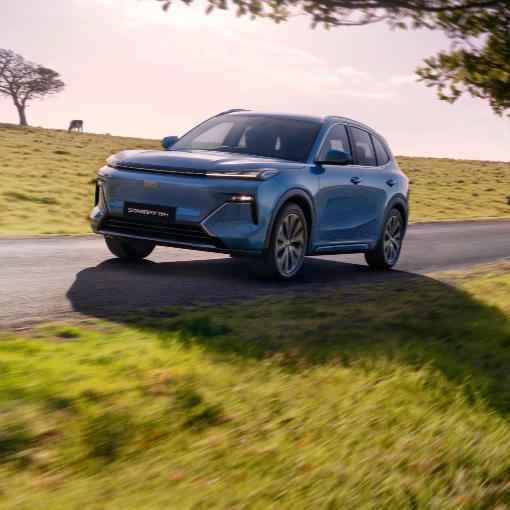
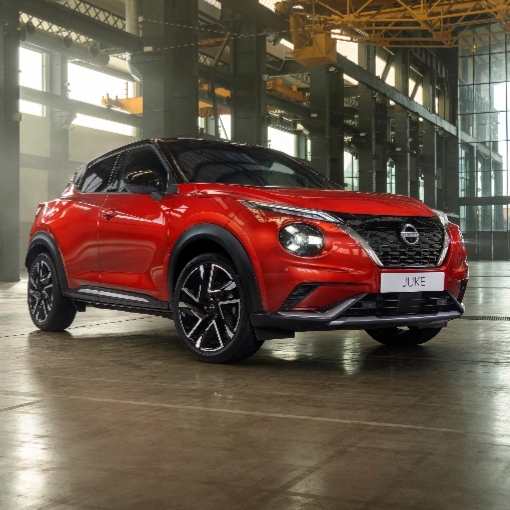
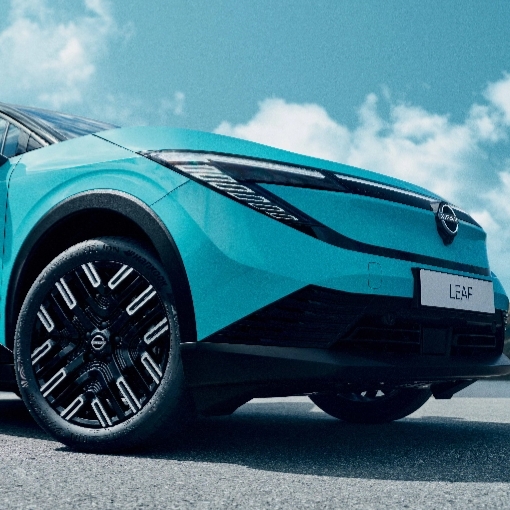
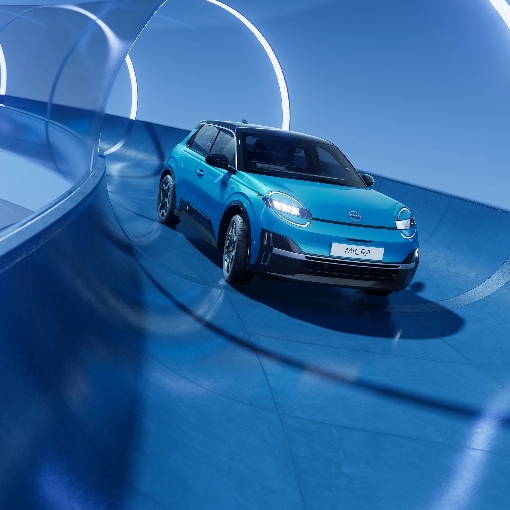
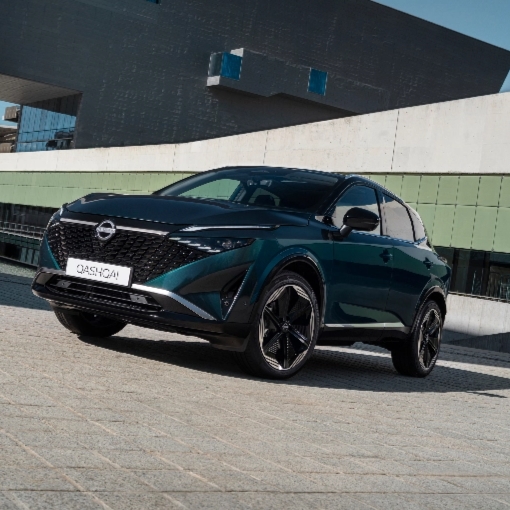
As well as the expert sessions, The Tread Shed brings show-stopping display and concept cars, a chance to have a go at Padel and other fun activities, plus somewhere to take the weight off your feet and grab a coffee.

After years of baking at home and cultivating her creativity and skill, Briony first came to the public’s attention as she launched onto our screens during nine stressful weeks in the tent on the 2018 series of The Great British Bake Off on Channel 4.
Progressing through the competition to the semi-final, Briony’s humour and warmth, coupled with her resilience and ingenuity saw her become a firm favourite with the audience.

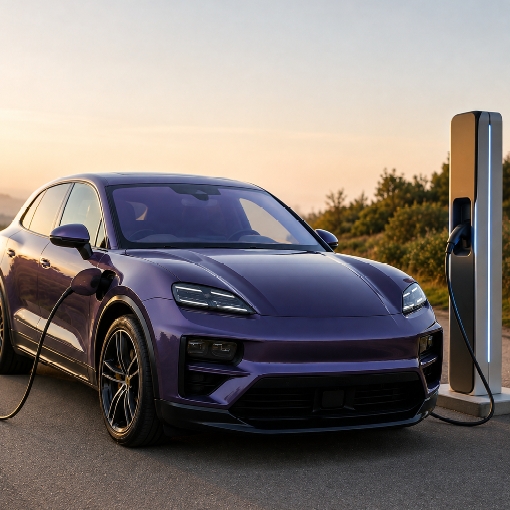



Designed to separate fact from fiction, the session will tackle some of the most common myths and misconceptions surrounding electric vehicles and EV driving.
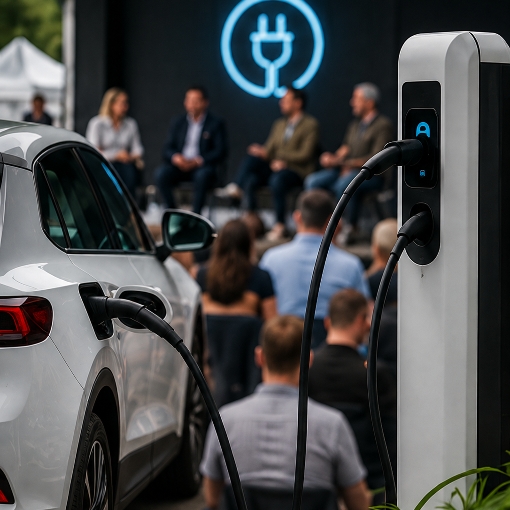
Through an informal and interactive conversation, the panel will explore topics such as range anxiety, charging infrastructure, battery longevity, performance, and the realities of EV ownership.
The discussion will be supported by a live demonstration vehicle, the Porsche Macan Turbo, providing real-world context to many of the topics covered.
Attendees will also have the opportunity to put their questions directly to the panel during a dedicated audience Q&A, making this an informative and accessible session for both EV enthusiasts and those considering making the switch to electric.
This informative session explores the different types of tyres available to motorists, including summer, winter and all-season options, and examines the advantages and disadvantages of each. Through a relaxed and insightful conversation, the panel will discuss how tyre choice can impact safety, performance, efficiency and driving confidence in a variety of conditions.
Whether you're a daily commuter, enthusiastic driver or simply looking to make a more informed purchasing decision, the session will provide practical advice and expert insights to help you choose the right tyre for your needs. The discussion will conclude with a dedicated audience Q&A, giving attendees the opportunity to put their questions directly to the panel.
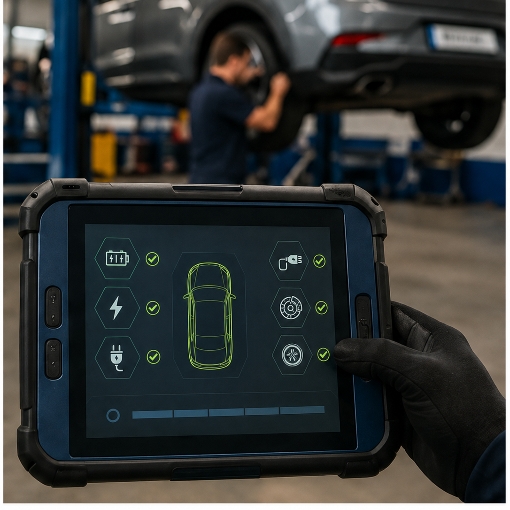
Drawing on real-world experience from our Protyre Autocare centres, this insightful session will explore the most common MOT failures and maintenance issues seen on electric vehicles, highlighting what EV owners should be aware of and how these findings compare to traditional petrol and diesel vehicles.
Whether you already own an EV or are considering purchasing one, the session will provide valuable insights to help you better understand the realities of EV ownership. Attendees will also have the opportunity to put their questions directly to the panel during a dedicated audience Q&A.
We dive into Michelin's sustainable approach to tyres and how they’re evolving for energy efficiency.
Plus an insight into the surprising recyclable materials used in tyre manufacturing.
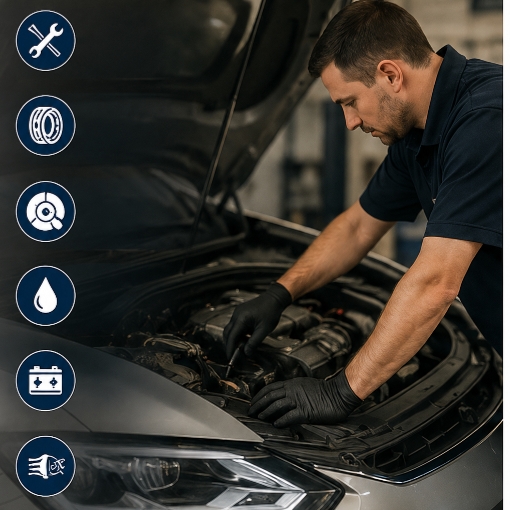
Drawing on the wealth of experience gained through Protyre Autocare centres, this session will explore the most common vehicle maintenance issues, customer misconceptions, and everyday lessons that can help motorists keep their vehicles running safely and efficiently.
The panel will share expert tips on preventative maintenance, servicing, tyres, brakes, and the simple checks every driver can carry out to avoid costly repairs. Whether you're a new driver or a seasoned motorist, the discussion will provide valuable advice to help you better understand your vehicle and make more informed maintenance decisions.
The session will conclude with a dedicated audience Q&A, giving attendees the opportunity to put their own vehicle-related questions directly to the panel.
Designed as an open-floor Q&A session, this engaging discussion gives attendees the opportunity to ask the experts anything and everything about tyres. From choosing between summer, winter and all-season tyres to understanding tyre wear, maintenance, safety and performance, no question is off limits.
Whether you're looking for advice on your current vehicle or simply want to expand your knowledge, this relaxed and informative discussion offers a unique opportunity to learn directly from industry experts and gain practical insights that can help keep you safe on the road.

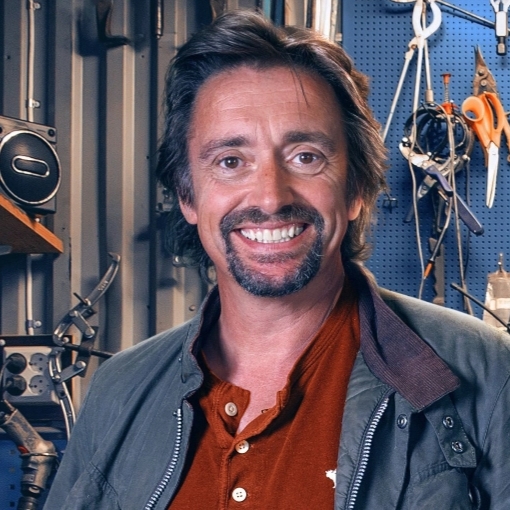
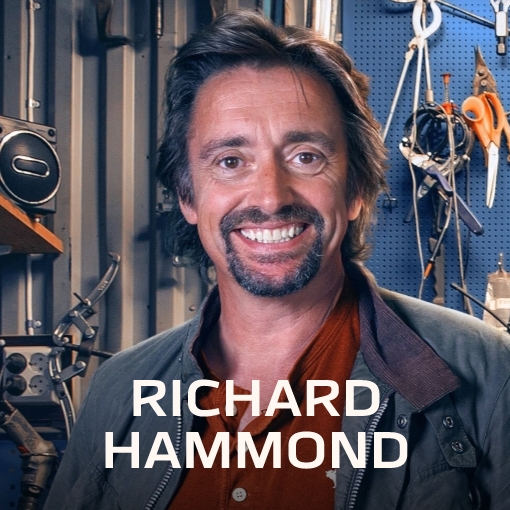
Join us for a special Q&A session with motoring legend Richard Hammond at The Tread Shed, brought to you by Protyre Autocare and Michelin.
From behind the scenes stories of Top Gear and The Grand Tour to their shared passion for cars, driving and adventure, no topic is off limits as the floor is opened to audience questions.
Whether you're a lifelong fan or simply curious to hear their insights and experiences, this engaging discussion promises plenty of laughs, fascinating stories and memorable moments.
Designed as an open-floor Q&A session, this engaging discussion invites attendees to put all of their burning questions about electric vehicles directly to our expert panel. Whether you're curious about charging, range, battery life, ownership costs, maintenance, or making the switch to electric, no question is off limits. The session will also feature a demonstration vehicle, the Porsche Macan Turbo, helping to bring key EV topics to life with real-world examples and practical insights.
Whether you're an experienced EV owner, considering your first electric vehicle, or simply interested in the future of motoring, this relaxed and informative discussion provides the perfect opportunity to get expert answers and join the conversation.
Designed to separate fact from fiction, the session will tackle some of the most common myths and misconceptions surrounding electric vehicles and EV driving.
Through an informal and interactive conversation, the panel will explore topics such as range anxiety, charging infrastructure, battery longevity, performance, and the realities of EV ownership.
The discussion will be supported by a live demonstration vehicle, the Porsche Macan Turbo, providing real-world context to many of the topics covered.
Attendees will also have the opportunity to put their questions directly to the panel during a dedicated audience Q&A, making this an informative and accessible session for both EV enthusiasts and those considering making the switch to electric.
This informative session explores the different types of tyres available to motorists, including summer, winter and all-season options, and examines the advantages and disadvantages of each. Through a relaxed and insightful conversation, the panel will discuss how tyre choice can impact safety, performance, efficiency and driving confidence in a variety of conditions.
Whether you're a daily commuter, enthusiastic driver or simply looking to make a more informed purchasing decision, the session will provide practical advice and expert insights to help you choose the right tyre for your needs. The discussion will conclude with a dedicated audience Q&A, giving attendees the opportunity to put their questions directly to the panel.
Drawing on real-world experience from our Protyre Autocare centres, this insightful session will explore the most common MOT failures and maintenance issues seen on electric vehicles, highlighting what EV owners should be aware of and how these findings compare to traditional petrol and diesel vehicles.
Whether you already own an EV or are considering purchasing one, the session will provide valuable insights to help you better understand the realities of EV ownership. Attendees will also have the opportunity to put their questions directly to the panel during a dedicated audience Q&A.
We dive into Michelin's sustainable approach to tyres and how they’re evolving for energy efficiency.
Plus an insight into the surprising recyclable materials used in tyre manufacturing.
Drawing on the wealth of experience gained through Protyre Autocare centres, this session will explore the most common vehicle maintenance issues, customer misconceptions, and everyday lessons that can help motorists keep their vehicles running safely and efficiently.
The panel will share expert tips on preventative maintenance, servicing, tyres, brakes, and the simple checks every driver can carry out to avoid costly repairs. Whether you're a new driver or a seasoned motorist, the discussion will provide valuable advice to help you better understand your vehicle and make more informed maintenance decisions.
The session will conclude with a dedicated audience Q&A, giving attendees the opportunity to put their own vehicle-related questions directly to the panel.
Designed as an open-floor Q&A session, this engaging discussion gives attendees the opportunity to ask the experts anything and everything about tyres. From choosing between summer, winter and all-season tyres to understanding tyre wear, maintenance, safety and performance, no question is off limits.
Whether you're looking for advice on your current vehicle or simply want to expand your knowledge, this relaxed and informative discussion offers a unique opportunity to learn directly from industry experts and gain practical insights that can help keep you safe on the road.
Join us for a special Q&A session with motoring legend Richard Hammond at The Tread Shed, brought to you by Protyre Autocare and Michelin.
From behind the scenes stories of Top Gear and The Grand Tour to their shared passion for cars, driving and adventure, no topic is off limits as the floor is opened to audience questions.
Whether you're a lifelong fan or simply curious to hear their insights and experiences, this engaging discussion promises plenty of laughs, fascinating stories and memorable moments.
Designed as an open-floor Q&A session, this engaging discussion gives attendees the opportunity to ask the experts anything and everything about tyres. From choosing between summer, winter and all-season tyres to understanding tyre wear, maintenance, safety and performance, no question is off limits.
Whether you're looking for advice on your current vehicle or simply want to expand your knowledge, this relaxed and informative discussion offers a unique opportunity to learn directly from industry experts and gain practical insights that can help keep you safe on the road.