Look who is going us in 2026 on
THE TRACK
with

CarFest takes over the iconic Silverstone International Circuit, bringing incredible cars and crowd-pleasing action right where it belongs: on one of the most famous ribbons of tarmac in the world. Four times every day, you’ll be able to watch the most breath-taking track shows... from supercars and hypercars to racing cars, classic and modern, icons of engineering and racing legends and the odd machines you never knew existed, all fired up for a show you’ll never forget.
It’s not just about roaring engines, outright speed and burning rubber, it’s about balance, control and the other kind of ‘performance’ – the type of performance that leaves you asking “How?!”.

Your Host
Briony May Williams
After years of baking at home and cultivating her creativity and skill, Briony first came to the public’s attention as she launched onto our screens during nine stressful weeks in the tent on the 2018 series of The Great British Bake Off on Channel 4.
Progressing through the competition to the semi-final, Briony’s humour and warmth, coupled with her resilience and ingenuity saw her become a firm favourite with the audience.

CHECK OUT OUR TRACK THEMES
PLUS MANY MORE TO BE ANNOUNCED
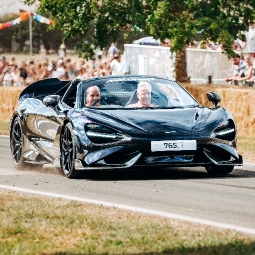
SUPERCAR SHOWCASE
X
Supercars hold a unique place in modern culture, representing the peak of automotive engineering, design, and aspiration.
While they are produced in limited numbers and owned by few, their importance extends far beyond exclusivity or luxury. Supercars act as technological showcases, introducing innovations in aerodynamics, lightweight materials, hybrid systems, and performance engineering that often influence mainstream vehicles years later.
Beyond technology, supercars have a powerful cultural influence. They symbolise ambition and aspiration, and inspire enthusiasts, designers and engineers around the world to push boundaries, exceed limitations and chase dreams.
Their dramatic styling and extreme performance challenge conventional ideas of what cars can be, pushing manufacturers to continually raise standards across the automotive industry.
Supercars also strengthen brand identity. Iconic models elevate manufacturers’ reputations, attracting attention to their entire product lineup. In this way, even people who will never own a supercar are influenced by them. Ultimately, supercars matter, not just for speed or status, but for how they drive progress, imagination, and passion within the automotive world.
BEYOND SUPERCARS: HYPERCARS
X
From the names we all know and love to those we can’t spell - even supercar owners have aspirations – Hypercars:
When does a supercar become a hypercar..? Supercars and hypercars differ mainly in performance, exclusivity, and technological ambition. Supercars, such as the Ferrari 488 or Lamborghini Huracán offer extreme speed, striking design, and advanced engineering while still being produced in relatively larger numbers.
Hypercars go beyond this, to find the next level.They represent the absolute limits of automotive performance and innovation. Models like the Bugatti Chiron, Koenigsegg Jesko or McLaren P1 feature cutting-edge materials, hybrid systems, and record-breaking power. Hypercars are a rarer, far more expensive, breed often built as engineering showcases, pushing technology to extremes rather than focusing on everyday usability.
If you have ever wondered what Lamborghini owners aspire to drive, you need look no further than hypercars.
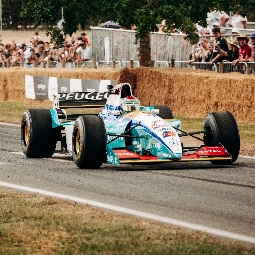
OPEN-WHEELS ON CLOSED ROADS
X
Open-wheel racing formulas differ primarily in performance level, cost, technology, and their role in driver development. At the absolute top sits Formula 1, the most advanced and expensive category. F1 cars feature cutting-edge aerodynamics combined with extreme power units, and demand exceptional skill and precision from drivers.
Just below is Formula 2, designed as the final stepping stone to Formula 1. F2 uses spec cars to emphasise driver talent over engineering advantages, with lower speeds and costs than F1 this is still heart-stopping racing.
Formula 3 focuses on developing young drivers’ race-craft. The cars may be slower, simpler, and more affordable, but they allow emerging talent to gain experience in close, competitive racing.
Despite their differences, all open-wheel formulas share the same core purpose: preparing drivers for higher levels of competition. Each formula builds on the previous one, gradually increasing speed, complexity, and pressure. Together, they form a structured ladder system that nurtures talent, promotes fairness, and sustains the future of professional single-seater racing.
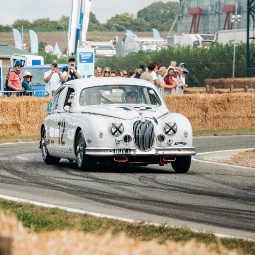
CLOSED-WHEEL RACERS
X
Born from utility, bred for extremity. Open-wheel racing and closed-wheel racing differ in car design, racing style, and overall philosophy. Open-wheel racing features cars with exposed wheels and lightweight, single-seater chassis and rely heavily on aerodynamics, producing downforce through wings and underbody airflow. As a result, they are extremely fast, responsive, and technically complex, demanding high precision and skill from drivers. Even minor contact can cause damage, making clean racing essential.
Closed-wheel racing, by contrast, uses cars with covered wheels and bodywork similar to road cars. Categories such as GT racing, touring cars, and endurance racing emphasise durability, mechanical grip, and close-quarters competition.
Because the cars are more robust, drivers can tolerate light contact, leading to aggressive battles and frequent overtaking. Closed-wheel racing also often includes multiple classes and longer race formats, especially in endurance events.
Closed-wheel racing connects more closely to production vehicles, making it easier to relate to. Both forms offer thrilling competition, but they appeal to different racing philosophies: precision and innovation versus resilience and wheel-to-wheel combat.
CHECK OUT OUR TRACK THEMES
SUPERCAR SHOWCASE
X
Supercars hold a unique place in modern culture, representing the peak of automotive engineering, design, and aspiration.
While they are produced in limited numbers and owned by few, their importance extends far beyond exclusivity or luxury. Supercars act as technological showcases, introducing innovations in aerodynamics, lightweight materials, hybrid systems, and performance engineering that often influence mainstream vehicles years later.
Beyond technology, supercars have a powerful cultural influence. They symbolise ambition and aspiration, and inspire enthusiasts, designers and engineers around the world to push boundaries, exceed limitations and chase dreams.
Their dramatic styling and extreme performance challenge conventional ideas of what cars can be, pushing manufacturers to continually raise standards across the automotive industry.
Supercars also strengthen brand identity. Iconic models elevate manufacturers’ reputations, attracting attention to their entire product lineup. In this way, even people who will never own a supercar are influenced by them. Ultimately, supercars matter, not just for speed or status, but for how they drive progress, imagination, and passion within the automotive world.
BEYOND SUPERCARS: HYPERCARS
X
From the names we all know and love to those we can’t spell - even supercar owners have aspirations – Hypercars:
When does a supercar become a hypercar..? Supercars and hypercars differ mainly in performance, exclusivity, and technological ambition. Supercars, such as the Ferrari 488 or Lamborghini Huracán offer extreme speed, striking design, and advanced engineering while still being produced in relatively larger numbers.
Hypercars go beyond this, to find the next level.They represent the absolute limits of automotive performance and innovation. Models like the Bugatti Chiron, Koenigsegg Jesko or McLaren P1 feature cutting-edge materials, hybrid systems, and record-breaking power. Hypercars are a rarer, far more expensive, breed often built as engineering showcases, pushing technology to extremes rather than focusing on everyday usability.
If you have ever wondered what Lamborghini owners aspire to drive, you need look no further than hypercars.
PLUS MANY MORE TO BE ANNOUNCED
OPEN-WHEELS ON CLOSED ROADS
X
Open-wheel racing formulas differ primarily in performance level, cost, technology, and their role in driver development. At the absolute top sits Formula 1, the most advanced and expensive category. F1 cars feature cutting-edge aerodynamics combined with extreme power units, and demand exceptional skill and precision from drivers.
Just below is Formula 2, designed as the final stepping stone to Formula 1. F2 uses spec cars to emphasise driver talent over engineering advantages, with lower speeds and costs than F1 this is still heart-stopping racing.
Formula 3 focuses on developing young drivers’ race-craft. The cars may be slower, simpler, and more affordable, but they allow emerging talent to gain experience in close, competitive racing.
Despite their differences, all open-wheel formulas share the same core purpose: preparing drivers for higher levels of competition. Each formula builds on the previous one, gradually increasing speed, complexity, and pressure. Together, they form a structured ladder system that nurtures talent, promotes fairness, and sustains the future of professional single-seater racing.
CLOSED- WHEEL RACERS
X
Born from utility, bred for extremity. Open-wheel racing and closed-wheel racing differ in car design, racing style, and overall philosophy. Open-wheel racing features cars with exposed wheels and lightweight, single-seater chassis and rely heavily on aerodynamics, producing downforce through wings and underbody airflow. As a result, they are extremely fast, responsive, and technically complex, demanding high precision and skill from drivers. Even minor contact can cause damage, making clean racing essential.
Closed-wheel racing, by contrast, uses cars with covered wheels and bodywork similar to road cars. Categories such as GT racing, touring cars, and endurance racing emphasise durability, mechanical grip, and close-quarters competition.
Because the cars are more robust, drivers can tolerate light contact, leading to aggressive battles and frequent overtaking. Closed-wheel racing also often includes multiple classes and longer race formats, especially in endurance events.
Closed-wheel racing connects more closely to production vehicles, making it easier to relate to. Both forms offer thrilling competition, but they appeal to different racing philosophies: precision and innovation versus resilience and wheel-to-wheel combat.